As hardwood flooring professionals, we know that managing dust during sanding and refinishing isn’t just about cleanliness; it’s about health, precision and customer satisfaction. Let’s break down what’s working well, what’s falling short and where dust containment is headed.
What’s working well
Dustless sanding systems (HEPA-equipped): Modern dustless systems (think HEPA-connected sanders and dust containment systems) are highly effective, capturing up to 99.8% of dust, reducing airborne grit and making homes noticeably cleaner during projects.
Rigid room containment: Traditional plastic sheeting is inexpensive and widely available, but it is time-consuming to set up and tape properly, and it can leak dust around edges if not perfectly sealed. Barrier systems are faster and easier to install than traditional plastic sheeting but do require careful sealing to be fully effective. Adding a negative air machine with HEPA filters can actively pull dust out of the air while work is being done, creating a much cleaner environment than barriers alone.
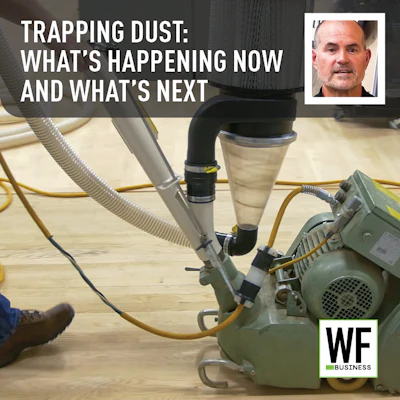
Sealed dust collection systems: From the sander to the vacuum, today’s hoses are airtight and grounded to reduce static. High-quality filtration bags paired with strategic vent placement prevent fine particles from escaping back into the air.
What’s falling short
False promises of “dustless”: Not all systems are equal. Many “dustless” claims fall flat due to loose hoses, poorly sealed shrouds or hasty work. Even with the best gear, improper setup means dust still escapes.
Not matching power: Powerful vacuums are great, but if the sander’s airflow overwhelms them, dust will escape from the system. You need the right suction balance with airflow relief to get 99% containment.
What’s next on the horizon
Smart vacuums with real-time monitoring: Expect vacuums that tweak suction power based on dust load. These will ensure performance stays at peak throughout the job.
AI-assisted containment mapping: Sensors embedded around the workspace could track dust dispersion in real-time and automatically adjust fans or barriers to maintain a clean zone.
Eco-friendly, reusable barriers: Instead of single-use sheets, we’ll likely see zip-panel systems that are durable, reusable, and even more airtight—minimizing waste without sacrificing containment.